What's the difference between soft washing, pressure washing, and power washing?
'Power washing' and 'pressure washing' mean the same thing — high-pressure water cleaning meant for hard surfaces like concrete, brick, and pavers. Soft washing is completely different — it uses low pressure (around 100 PSI) plus a biodegradable cleaning solution to safely clean delicate surfaces like vinyl siding, stucco, and roof shingles without damaging them.
People use "power washing" and "pressure washing" interchangeably, and for most home jobs the distinction barely matters — the real difference that protects your home is high pressure vs. soft wash. Get *that* wrong and you can do thousands of dollars of damage. Here's the plain-English breakdown for New Jersey homeowners.
| Method | How it works | Best for | Pressure |
|---|---|---|---|
| Pressure / power washing | High-pressure water | Driveways, sidewalks, brick, pavers, concrete | 1,500–3,000+ PSI |
| Soft washing | Low pressure + cleaning solution | Siding, roofs, stucco, screens, wood | ~100 PSI (garden-hose level) |
The pressure column is what matters most — it's the difference between cleaning and damaging.
What is soft washing, exactly?
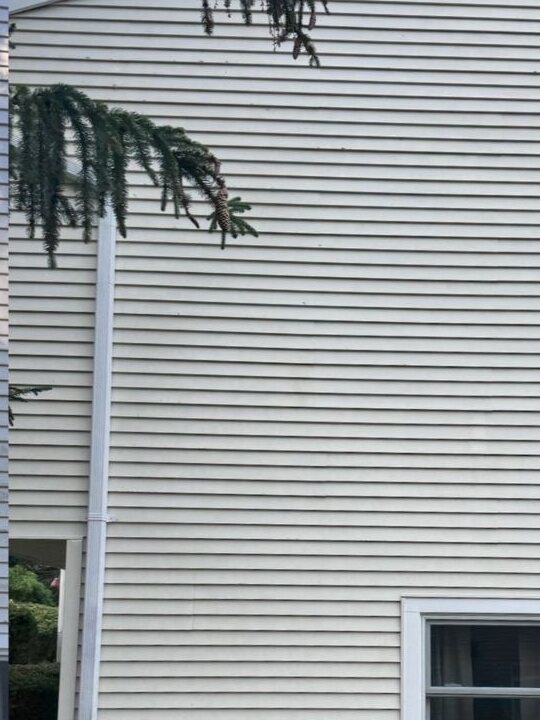
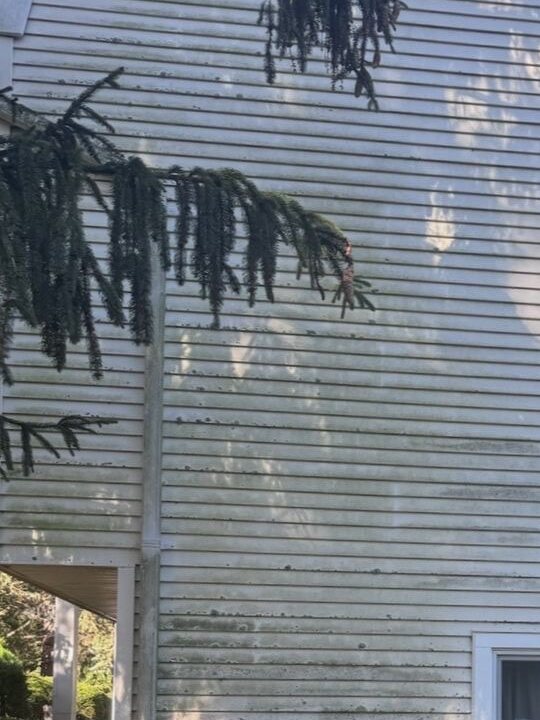
Soft washing is a cleaning method that applies a low-pressure spray of water mixed with a professional cleaning solution (usually a diluted sodium hypochlorite blend plus surfactants). The solution does the work — dissolving and killing mold, mildew, algae, and bacteria — so no high pressure is needed. It's the method recommended for siding and roofs.
Think of it this way: high pressure *blasts* dirt off a surface. Soft washing *dissolves* it. Because the chemistry kills the organisms at the root rather than just knocking the surface layer off, a soft wash keeps your home clean far longer — typically a year or more, versus a couple of months for a plain rinse.
- Low pressure — around 100 PSI, about what comes out of your garden hose. It will not damage siding, shingles, or screens.
- The cleaning solution does the cleaning — it breaks down mold, mildew, algae, lichen, and the "green" and "black" growth on Jersey Shore homes.
- Plant-safe when done right — pros pre-soak and rinse landscaping and dilute properly.
- Longer-lasting — because it kills spores at the root, regrowth is dramatically slower.
Salt air, humidity, and tree shade make our homes a magnet for mold and algae. A high-pressure rinse knocks the green off for a few weeks; a proper soft wash kills it so it stays gone through the season. That's why nearly every reputable Jersey Shore exterior cleaner soft washes houses and roofs.
Which method does each surface need?
Here's the cheat sheet we use on every Ocean County job. The guiding principle: if a surface can be dented, scratched, stripped, or have water forced behind it, it gets soft washed. Only durable, porous hard surfaces get high pressure.
| Surface | Correct method | Why |
|---|---|---|
| Vinyl / aluminum siding | Soft wash | High pressure cracks seams and forces water behind it |
| Stucco / EIFS | Soft wash | Pressure chips and gouges the finish |
| James Hardie / fiber cement | Soft wash | Manufacturer specifies low pressure (warranty) |
| Roof shingles | Soft wash | Pressure tears off granules and voids warranties |
| Wood deck / fence | Soft wash (low) | High pressure shreds soft wood grain |
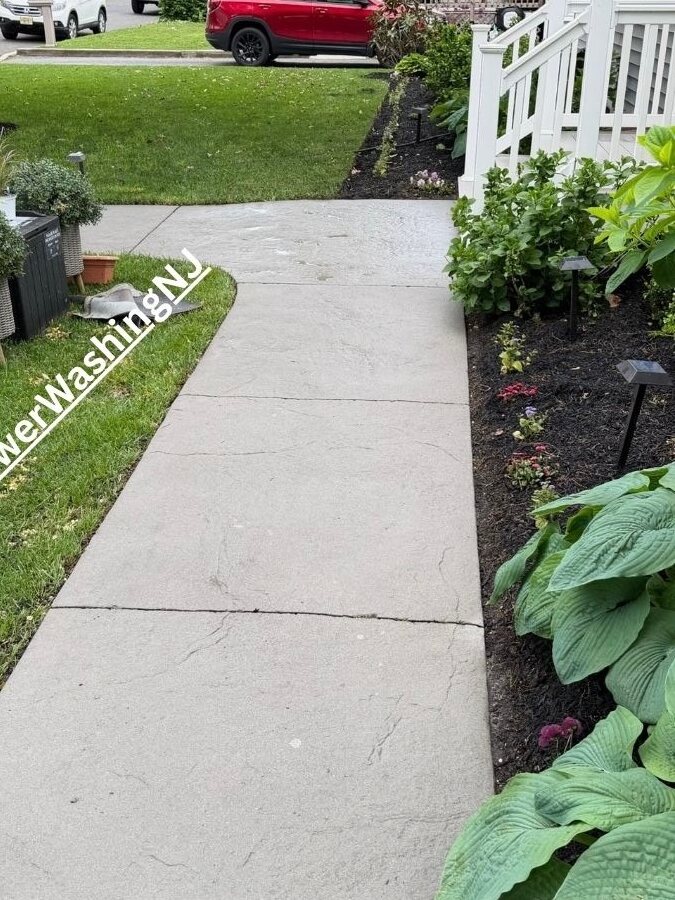
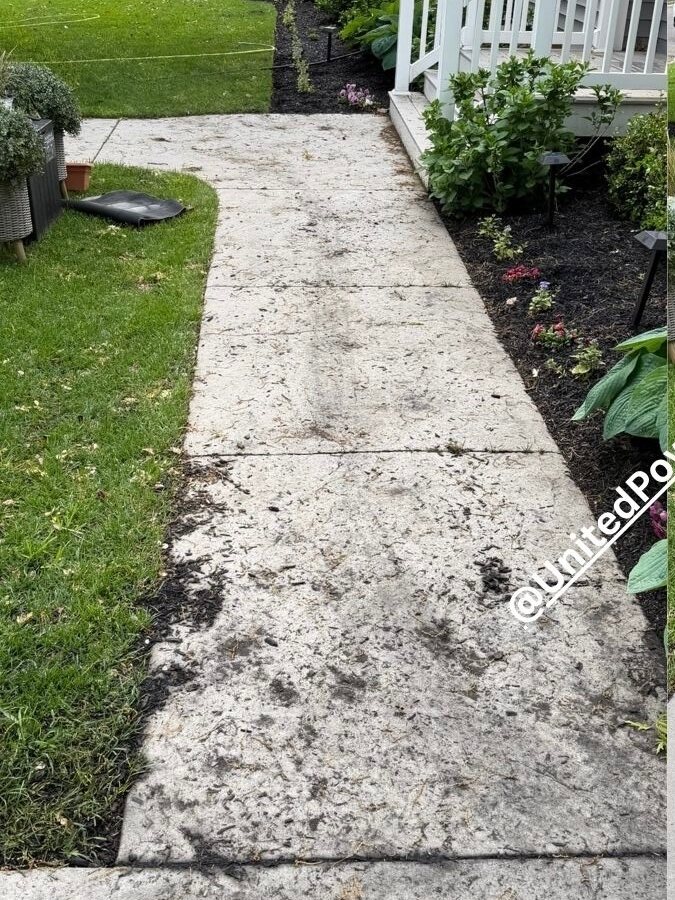
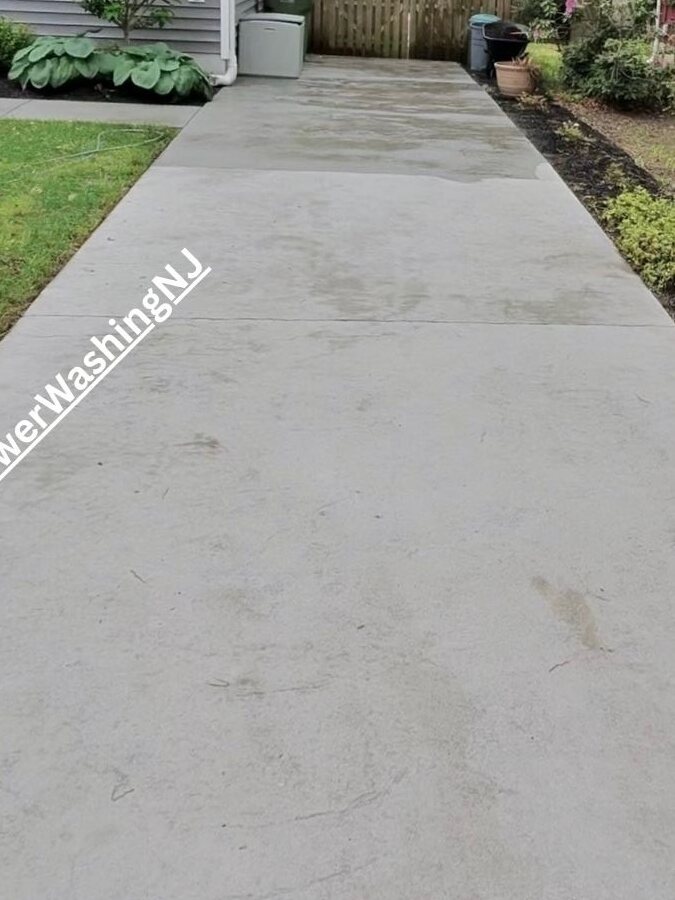
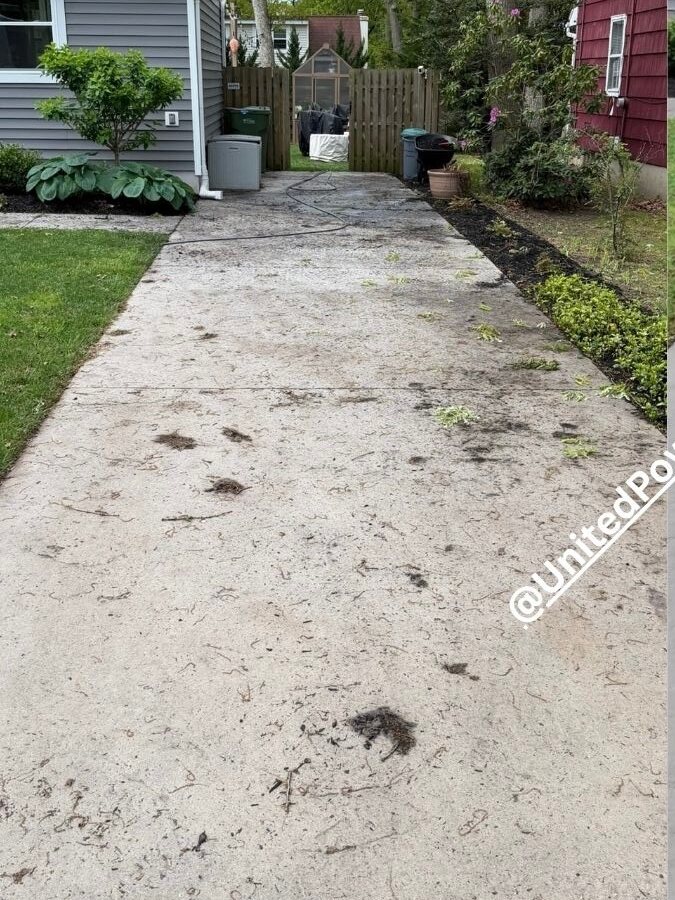
| Concrete driveway / sidewalk | Pressure wash | Durable, porous — needs pressure for even results |
| Brick & pavers | Pressure wash (careful) | Can take pressure, but joints need the right technique |
| Composite (Trex) deck | Soft wash | Pressure scuffs and streaks the boards |
Renting a pressure washer and aiming it at vinyl or stucco siding. It feels productive, but you can crack panels, blast off caulk, etch the surface, and drive water into the wall cavity where it grows mold you can't see. The repair costs far more than a professional soft wash would have.
Can pressure washing damage your siding or roof?
Yes. High-pressure washing can crack vinyl siding, strip paint and caulk, gouge stucco, and force water behind the siding where it causes hidden mold and rot. On roofs, it blasts away the protective granules on shingles and can void your roof warranty. This is why siding and roofing manufacturers specify low-pressure (soft wash) cleaning.
It's not a small risk, either. Two of the most-searched questions in New Jersey are literally "can house washing damage siding?" and "can you power wash James Hardie siding?" — because so many homeowners (and unfortunately, some "pros" with a rented machine) have learned the hard way.
- Vinyl siding: pressure can crack panels and blow out the interlocks, letting water in.
- James Hardie / fiber cement: Hardie's own care guide calls for low pressure and a soft brush — high pressure can damage the board and the factory finish.
- Roof shingles: the dark streaks are algae; pressure removes the algae *and* the granules that protect the shingle, shortening roof life.
- Behind the wall: forced water is the silent killer — it leads to mold and wood rot you won't notice until it's a big repair.
How much pressure (PSI) is safe?
For house siding, the safe answer is essentially garden-hose pressure — around 100 PSI with the cleaning done by solution, not force. Concrete and brick can handle 2,000–3,000 PSI. The common question "is 2,000 PSI enough to clean a house?" has it backwards: 2,000 PSI is far too much for siding and risks damage.
| Surface | Safe pressure | Notes |
|---|---|---|
| Vinyl / stucco siding | ~100 PSI (soft wash) | Solution does the cleaning |
| Roof shingles | ~100 PSI (soft wash) | Never walk or blast a roof |
| Wood deck | 500–1,200 PSI | Wide tip, keep moving |
| Concrete / driveway | 2,000–3,000 PSI | Surface cleaner for even results |
| Brick / pavers | 1,500–2,500 PSI | Mind the mortar joints |
If you're hiring a pro, the right answer to "what PSI will you use on my house?" is *low* — they should be talking about the cleaning solution, not the pressure. If a contractor wants to put 2,000+ PSI on your siding, that's your cue to call someone else.
Should you DIY or hire a pro?
A rented pressure washer is cheap; the damage it can cause is not. Here's an honest take on when DIY is fine and when it isn't.
DIY is reasonable for:
- Rinsing a small, sturdy concrete patio or walkway
- Cleaning patio furniture or trash cans
- Light driveway cleaning if you understand pressure and tips
Hire a pro for:
- Anything involving siding or your roof — the soft-wash chemistry and safety gear matter, and the damage risk is real
- Two-story or steep work — ladders plus pressure is how people get hurt
- Mold, algae, and stubborn stains — pros have the solutions that actually kill it at the root
Pre-soak and protect landscaping, apply the cleaning solution and let it dwell, gently rinse at low pressure, brighten gutters and trim, and a final rinse of the whole property. No ladders on your roof, no high-pressure blasting on siding. You should see results immediately and they should last.
What does each cost in New Jersey?
In Ocean County, a soft-wash house washing typically runs $299–$450, soft-wash roof cleaning $399–$700, and driveway pressure washing is a flat $100. Soft washing isn't more expensive than pressure washing for the same surface — it's simply the correct method for siding and roofs, and it lasts longer.
| Service | Typical NJ price | Method |
|---|---|---|
| House washing (avg. 2-story) | $299 – $450 | Soft wash |
| Roof cleaning | $399 – $700 | Soft wash |
| Driveway (standard) | $100 flat | Pressure wash |
| Paver patio clean + seal | $399+ | Pressure + seal |
See the full breakdown in our NJ pricing guides linked below.
Want exact numbers? We break down each in detail in our house washing cost guide, roof cleaning cost guide, and driveway pressure washing cost guide.
Frequently asked questions
For all practical purposes, yes — people use the two terms interchangeably, and both refer to high-pressure cleaning meant for hard surfaces like concrete, brick, and pavers. The important distinction for your home is high-pressure washing vs. low-pressure soft washing, which is the only safe method for siding and roofs.
Yes — soft washing is the method the asphalt-shingle industry (ARMA) recommends. It uses no pressure and no walking on the roof; a cleaning solution kills the black algae at the root and rinses clean. High-pressure washing a roof, by contrast, strips granules and can void your warranty.
For a sturdy concrete patio, sure. For siding or a roof, we'd strongly advise against it — high pressure can crack siding, strip caulk, force water into your walls, and damage shingles. Those surfaces need low-pressure soft washing and the right cleaning solution.
Not when it's done correctly. A good crew pre-soaks and rinses all landscaping and dilutes the solution properly. Plant safety is a standard part of every professional soft-wash job.
Steve Franco was born and raised in Toms River and started power washing at a young age. He founded United Power Washing to do exterior cleaning the right way: soft washing that kills mold at the root without damaging siding or roofs. A licensed, insured and bonded NJ contractor, he writes these guides to give Jersey Shore homeowners straight, no-nonsense answers.